So, you’re thinking about spending a day on the water, but you aren’t quite ready to pull the trigger on a permanent slip or a trailer in the driveway? We totally get it. Here at Pontoonboats-org, we believe that everyone should have the chance to experience the “living room on the lake” lifestyle, and renting is arguably the best way to do that without the long-term commitment.
Whether you are planning a family reunion, a fishing trip with your buddies, or just a quiet afternoon soaking up the sun, renting a pontoon boat offers incredible flexibility. But before you head down to the marina, there are a few things you should know to ensure your day goes smoothly. From choosing the right vessel to understanding the fine print of a rental agreement, we have you covered.
Why Should You Consider a Pontoon Rental?
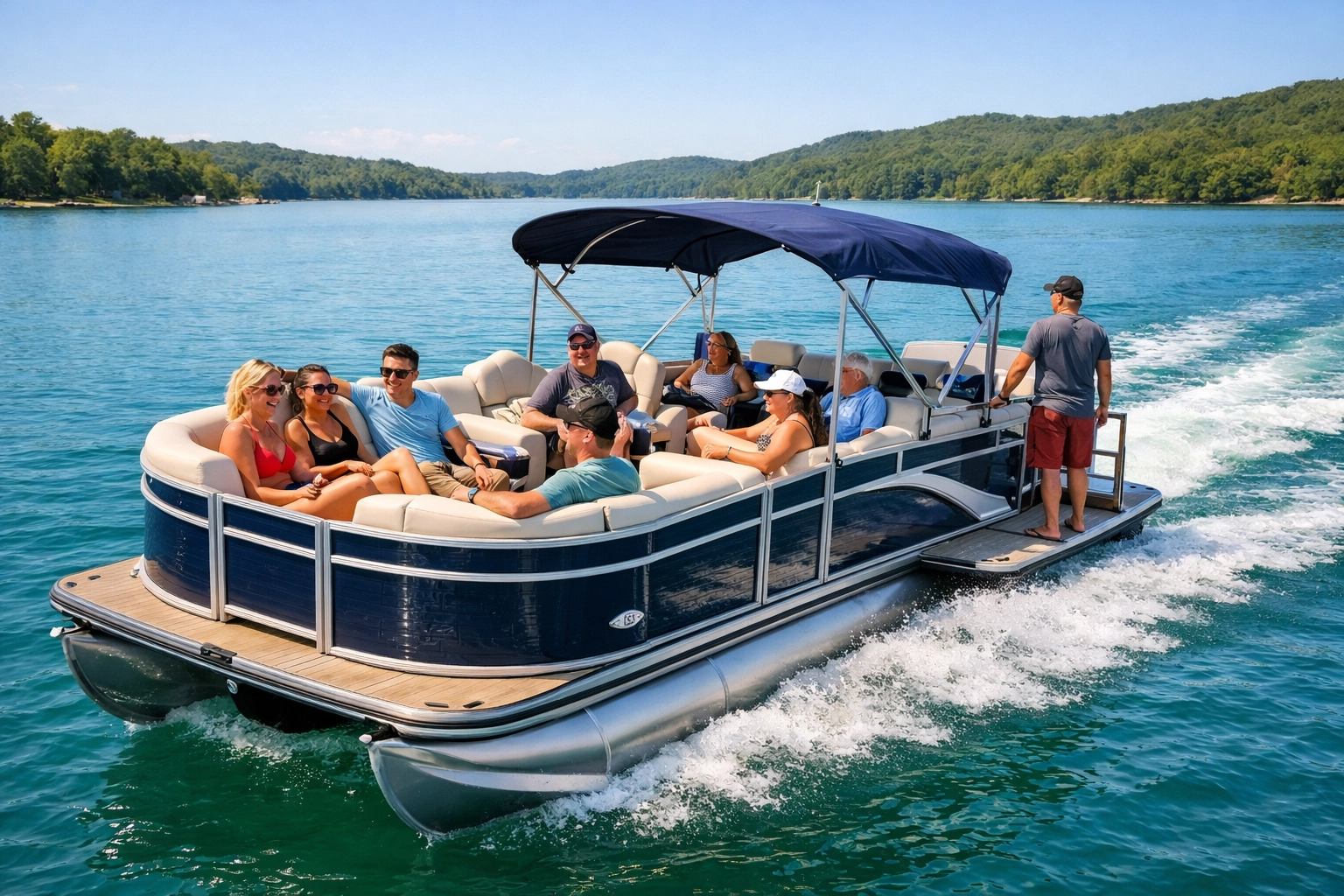
If you’re a beginner, you might be wondering why pontoon boats are the go-to choice for rentals. Unlike narrow speedboats or tippy canoes, pontoons are essentially floating platforms. They offer stability, plenty of room to move around, and a level of comfort that’s hard to beat.
Renting is also a fantastic “test drive.” If you are currently looking for a new pontoon, renting different models can help you decide which layout or engine size works best for your needs. We always tell our readers: try before you buy!
How Do You Choose the Right Pontoon Boat for Your Group?
Not all rental boats are created equal. When you look at a rental fleet, you’ll likely see a variety of sizes and configurations. We address all these questions by looking at three main factors:
1. Capacity and Group Size
This is the big one. Most rental pontoons can accommodate between 8 and 12 people. However, “capacity” doesn’t just mean “how many people can sit down.” It refers to the weight limit. If you have 10 adults plus coolers, gear, and a heavy dog, you might be pushing the limits of a smaller boat. Always choose a boat with a slightly higher capacity than you think you need to ensure everyone stays comfortable and safe.
2. Planned Activities
What do you actually want to do out there?
- Leisurely Cruising: A standard 20-foot pontoon with a 50-90 HP engine is perfect.
- Watersports: If you want to pull a tube or a skier, you’ll want a boat with a bigger engine (115 HP or more) or even a tritoon. We’ve written extensively on tritoon vs pontoon performance, and if the lake is choppy or you want speed, the tritoon is the way to go.
- Fishing: Look for “fishing models” that have swivel seats at the bow or stern and livewells to keep your catch fresh. If you’re serious about angling, check out our guide on how to turn a standard pontoon into a pro fishing machine.
3. Amenities and Accessories
Modern rentals often come with some of the best pontoon boats features, including Bluetooth sound systems, Bimini tops for shade, and built-in swim ladders. If you’re planning on eating on the water, ask if the rental includes a table or even a mount for pontoon boat accessories like a grill.
What Does a Pontoon Rental Usually Cost?
We know budget is a top priority for most families. On average, you can expect to pay anywhere from $300 to $600 per day for a quality pontoon rental.
Several factors will move that needle:
- Location: Renting on a high-traffic tourist lake in the middle of July will always be more expensive than a quiet lake in May.
- Duration: Most places offer half-day (4 hours) or full-day (8 hours) rates. Often, the full-day rate is a much better value.
- Fuel: Most rental prices do not include fuel. You’ll usually start with a full tank and pay for what you used when you return.
Pro Tip: To save some cash, try booking on a Tuesday or Wednesday. Many rental companies offer “weekday specials” to keep their fleet moving when the weekend crowds are gone.
What Are the Legal Requirements and Paperwork?
Don’t let the paperwork catch you off guard. We want your transition from the car to the dock to be as fast as possible. Here is what you will likely need:
- A Valid ID: You generally need to be at least 21 years old (sometimes 25) to rent a motorized vessel.
- Boating License/Certificate: Depending on your state and your age, you may be required to have a Boater Safety Education Card. Even if it isn’t strictly required, we highly recommend taking a quick online course to familiarize yourself with the rules of the road.
- The Rental Agreement: Read this carefully! It outlines your liability, the “no-go” zones on the lake, and what happens if you accidentally ding a propeller.
What Should You Check Before Leaving the Dock?
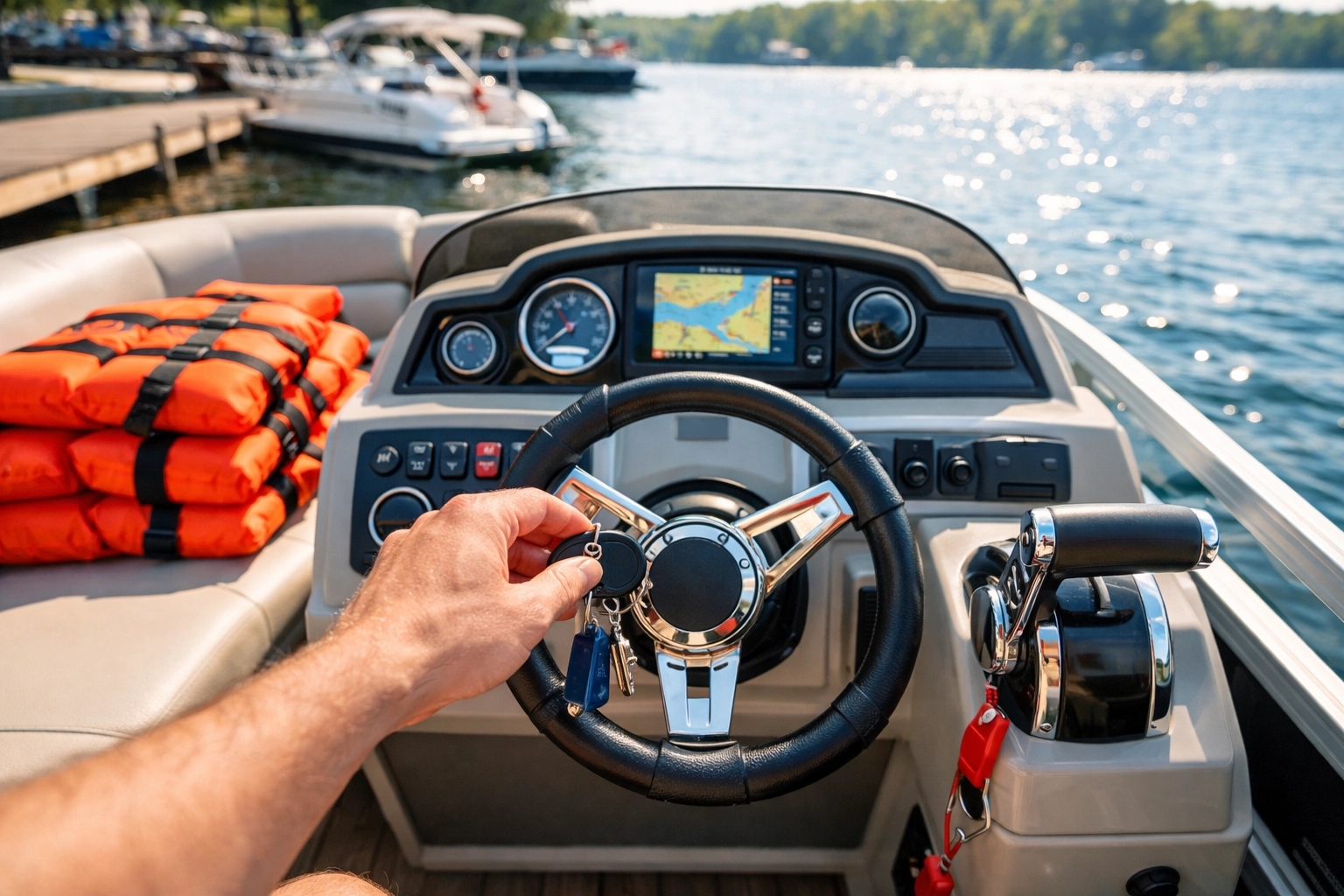
Before you turn the key, the rental agent should give you a walk-through. Pay attention! This is where you learn how to operate the specific boat you’re on. We recommend checking the following:
- Safety Gear: Ensure there are enough life jackets for every single person on board, and that they are the right sizes (especially for kids).
- The Propeller: Take a quick look at the “prop” before you leave. If it’s already dinged or bent, make sure the rental agent notes it so you aren’t charged for it later.
- Fuel Gauge: Confirm the tank is as full as they say it is.
- Controls: Make sure you know how to work the throttle, the trim, and the anchor.
How Can You Make the Most of Your Day?
A day on a pontoon is what you make of it. To have the best experience, think about your setup. If the boat doesn’t come with everything, you might want to bring some of your own pontoon boat accessories. A portable cooler is a must, but if you’re really looking to level up, you might consider how some owners build an ultimate on-water kitchen. While you can’t renovate a rental, bringing a high-quality portable grill (if allowed) or a premium Bluetooth speaker can transform the vibe.
If you’re new to the lifestyle, take a look at our first-time buyer comparison to see which features are standard on modern boats. It’ll give you a better idea of what to look for in a high-quality rental.
Dealing with Maintenance and “Project” Boats
Sometimes, you might come across a rental that looks a little “tired.” While we love a good DIY pontoon transformation, you don’t want to be the one doing the work on your vacation!
If you see a boat that looks like the “before” side of the image above: peeling carpet, cracked seats, or a motor that sounds like a lawnmower in distress: don’t be afraid to ask for a different vessel. You are paying for relaxation, not a restoration project.
Returning the Boat: Avoid the Hidden Fees
The end of the day is usually when the “rental stress” kicks in, but it doesn’t have to. To keep your security deposit safe:
- Clean Up: Bag your trash. Most marinas have bins right at the dock. A boat returned full of sunflower seed shells and empty cans is a quick way to get hit with a cleaning fee.
- Watch the Clock: Being 15 minutes late can sometimes cost you a full hour’s rental fee. Plan your trip back to the marina with a 20-minute buffer.
- The “Check-In”: Walk through the boat with the agent again. Point out that everything is in the same condition as when you left.
Ready to Hit the Water?
Renting a pontoon is the gateway to a lifetime of lake memories. It’s simple, relatively affordable, and incredibly fun. If you find yourself falling in love with the water (which happens more often than not!), we have plenty of resources to help you take the next step.
From checking if a boat is ready for the season to exploring luxury upgrades, we are here to guide you through every stage of boat ownership: or boat renting!
Do you have more questions about the best pontoon boats for your specific lake? We’ve got you covered. Check out our other guides or drop us a line. We’ll see you on the water!