So, you’re thinking about joining the ranks of pontoon boat owners? Or maybe you’ve already got the keys in hand and you're ready to make this summer unforgettable. Either way, welcome to the club! At Pontoonboats-org, we know that owning a boat is about more than just having a vessel: it’s about the memories you build on the water.
Owning one of these "floating living rooms" is a total game-changer for your social life, but it does come with a learning curve. From choosing the right floor plan to keeping the tubes shiny, we’ve got you covered. In this guide, we’re going to walk you through everything from the initial purchase to the final winterization, ensuring you succeed from the moment you hit the dock to the moment you step off the deck.
Is a Pontoon Boat Right for You?
Before we dive into the nuts and bolts, let’s address the big question: why a pontoon? We often tell people that pontoon boats are the most versatile craft on the water. Whether you want to host a floating dinner party, take the kids tubing, or find a quiet cove for fishing, a pontoon handles it all.
If you are still in the research phase, you might be wondering about the difference between a standard twin-tube and a tritoon. We address all these questions in our deep dive on why everyone is talking about tritoon vs pontoon performance. Generally, if you’re on a choppy lake or want to go fast, a tritoon is your best friend. For calm inland lakes and casual cruising, a standard pontoon is perfect.
Making the Big Purchase: New vs. Used
Buying a boat is a major investment. When looking for the best pontoon boats, you have two main paths: brand new or pre-owned.
Buying New
Buying new means you get the latest technology, a full manufacturer warranty, and that "new boat smell." If you’re visiting a dealer, you’ll want to be prepared. We recommend checking out our guide on 10 things you should know before you visit the dealer to make sure you’re asking the right questions about engine size and floor plans.
Buying Used
A used pontoon can save you a ton of money, but it requires a keen eye. You want to look for structural integrity in the logs (the "pontoons" themselves) and check the condition of the furniture and the engine hours. If you go this route, make sure you aren't falling into common traps: check out our tips on 7 mistakes you're making with your used pontoon boat to keep your investment safe.
Essential Pontoon Boat Accessories for Success
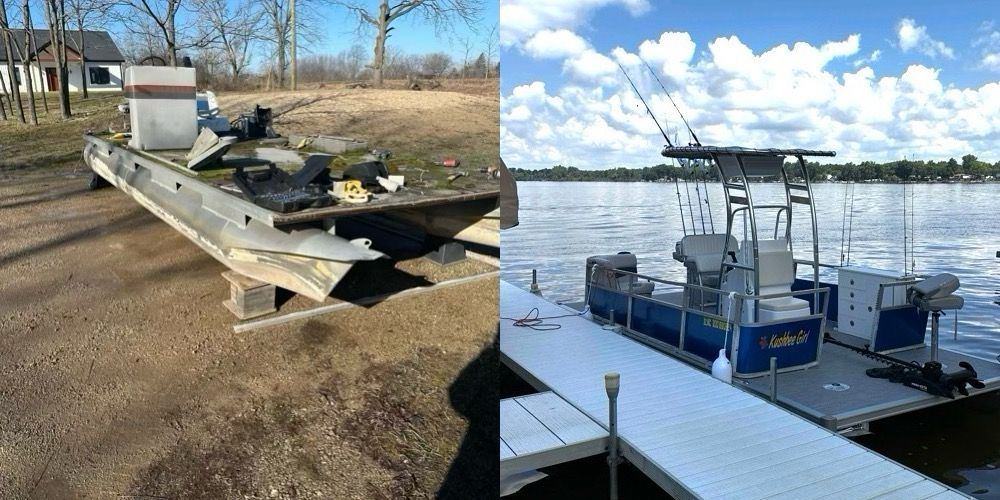
Once the boat is in your name, the real fun begins: accessorizing! We believe that the right pontoon boat accessories are what turn a standard boat into a five-star lake experience.
We’ve broken down our must-haves into three categories:
- Safety Gear: Life jackets (PFDs) for everyone, a throwable cushion, a fire extinguisher, and a loud horn are non-negotiable.
- The Essentials: Fenders (bumpers) to protect your boat at the dock, high-quality dock lines, and a solid anchor system. If you spend time in sandy or weedy areas, you'll want to stop the drift with the best pontoon anchor systems.
- The Fun Stuff: This is where you can get creative. Think about adding a premium Bluetooth sound system, a portable grill, or even a diving board.
For more inspiration, we have a comprehensive list of 30 catchy pontoon boat accessories for your ultimate floating party that will make you the envy of the sandbar.

Mastering the Basics: Towing and Launching
For many new owners, the most stressful part of ownership isn't the water: it's the boat ramp. We've all seen the "ramp fails" on YouTube, and we don't want you to be one of them!
Towing Tips
- Check Your Rating: Ensure your vehicle’s towing capacity exceeds the weight of the boat, trailer, and a full tank of gas.
- Safety Chains: Always cross your safety chains in an "X" pattern under the trailer tongue.
- Tire Pressure: Check the trailer tires often; they tend to lose air more quickly than car tires.
At the Ramp
The secret to a successful launch is preparation. Pull into the staging area before you hit the ramp. Remove your tie-down straps, load your gear, put the plug in (most important step!), and prime the engine if necessary. When it’s your turn, back down smoothly, let the boat float off, and move your vehicle quickly so the next person can go. It’s all about etiquette and efficiency.

Maintenance: Keeping the "New" in Your Boat
We want your boat to last for decades, not just a few seasons. Consistent maintenance is the key to protecting your resale value and ensuring safety.
The 100-Hour Rule
Most outboard engines require a "break-in" service after the first 20 hours, followed by a more comprehensive service every 100 hours (or annually). This usually involves changing the engine oil, gear lube, and checking the spark plugs.
Cleaning the Tubes
Algae and calcium can build up on your aluminum pontoons, slowing you down and increasing fuel consumption. We recommend a quick spray-down with fresh water after every use. Once or twice a season, use a dedicated aluminum cleaner to bring back that mirror-like shine.
Protecting the Vinyl
The sun is your boat’s biggest enemy. UV rays can crack and fade your beautiful upholstery. Use a UV-protectant spray regularly and always keep your boat covered when not in use. If you’re looking to master your first purchase and setup, our beginners guide to mastering your first purchase covers even more about long-term care.

Seasonal Shifts: Winterization and Storage
As the leaves change, it’s time to think about the off-season. Unless you live in a tropical paradise, winterization is a must. If water freezes inside your engine block, you’re looking at a very expensive repair bill in the spring.
Our Step-by-Step Winterization Checklist:
- Stabilize the Fuel: Add a fuel stabilizer and run the engine for 10-15 minutes to ensure it reaches the injectors.
- Fog the Engine: Use fogging oil to protect the internal engine components from corrosion.
- Drain the Water: Ensure all water is drained from the engine cooling system.
- Disconnect the Battery: Store your battery in a cool, dry place on a trickle charger.
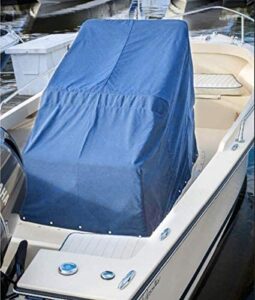
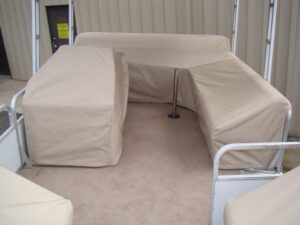
- Cover It Up: Whether you use a custom snap cover or professional shrink-wrap, keep the snow and ice out.
If you find that the maintenance and storage sounds like too much work, you might want to weigh the pros and cons of pontoon boat rentals vs owning. But for those who love the water, nothing beats having your own deck ready to go at a moment's notice.

Essential Boating Etiquette
Finally, being a successful owner means being a good neighbor on the water. We follow a few simple rules to keep everyone happy:
- Watch Your Wake: Pontoons can put off a surprisingly large wake. Be mindful of smaller boats, swimmers, and docks.
- The Golden Rule of Docking: Never approach a dock faster than you are willing to hit it.
- Help Others: If you see a fellow boater struggling at the ramp or with a dead battery, lend a hand. We're all in this together!
We’ve Got You Covered
Owning a pontoon boat is one of the most rewarding ways to spend your free time. It’s a space for family bonding, relaxation, and pure joy. While there is a lot to learn, don't let it overwhelm you. From choosing the best pontoon boats for 2026 to finding the coolest gadgets, we are here to guide you every step of the way.
Now, grab your sunscreen, check your oil, and get out there. The lake is calling! For more tips on making the most of your time on the water, be sure to check out our full blog library for everything pontoon-related. See you on the water!