Hey there! If you’re looking at getting your family out on the water, you’ve probably hit the classic debate that every prospective buyer faces: Tritoon vs. Pontoon. At Pontoonboats-org, we live and breathe these boats, and we know that choosing the right hull configuration is the difference between a relaxing summer and a bumpy, frustrating one.
Whether you are looking for the best pontoon boats for a quiet cove or a high-performance machine for the Great Lakes, we have you covered. Let’s dive into the nuts and bolts of which setup is actually better for your specific family lake days.
The Core Difference: Two Logs vs. Three
At the most basic level, the difference is in the name. A traditional pontoon boat features two aluminum tubes (logs) that provide buoyancy. A tritoon boat adds a third tube right down the center.
While it sounds like a small change, that third log completely changes the physics of how the boat sits in and moves through the water. We like to think of it like this: a pontoon is like a stable bicycle with training wheels, whereas a tritoon is like a high-performance off-road vehicle. Both have their place, but they perform very differently when the wind picks up.
Why Stability is the #1 Priority for Families
When you have kids, grandparents, and maybe a nervous dog on board, stability isn't just a "nice-to-have" feature, it’s a safety requirement.
The Pontoon Experience
On a standard twin-log boat, the weight is distributed across two points. If everyone rushes to one side to look at a turtle or a passing boat, you’ll feel a significant "lean." In calm water, this is perfectly fine. However, if the lake gets choppy, a twin-log boat can sometimes feel like it's "plowing" through waves rather than riding over them.
The Tritoon Experience
Adding that center log provides a massive boost in buoyancy and stability. It eliminates much of the side-to-side rocking (roll) that can make some passengers feel seasick. Because there is more surface area touching the water, the boat stays flatter even when people are moving around the deck. For families with small children who are still finding their "sea legs," the tritoon is often the clear winner for peace of mind.

Performance: Speed, Towing, and Fun
If your family’s idea of a lake day involves more than just floating and eating sandwiches, performance matters. We address the performance gap frequently because it’s where most buyers realize they might need the upgrade.
- Horsepower Capability: Standard pontoons are generally limited in the amount of weight and engine power they can handle. Most top out around 150 HP, with many sticking closer to 60-110 HP for cruising. Tritoons are built for power. You’ll regularly see tritoons equipped with 200, 300, or even twin 400 HP engines.
- Watersports: If you want to pull a tube, a wakeboarder, or a water skier, the tritoon is the superior choice. The third log allows the boat to "plane" (lift out of the water) much faster. This results in a smoother, faster ride that can actually keep up with the demands of watersports.
- Turning and Handling: Twin-log boats tend to stay flat or lean outward during a turn, which can feel a bit awkward at high speeds. Tritoons, especially those with specialized lifting strakes, lean into the turn just like a V-hull fiberglass boat. This makes them much more maneuverable in tight spots or when navigating busy marinas.
If your goal is a fast pontoon boat, you are almost certainly looking for a tritoon.
How Lake Size Dictates Your Choice
We always ask our readers: "Where are you actually going to use this boat?" The size of your body of water is a huge deciding factor.
- Small Inland Lakes: If you are on a private lake or a small body of water that doesn't allow high speeds and rarely gets "white caps," a traditional 2-log pontoon is fantastic. It’s plenty of boat for fishing and sunset cruises.
- Large Lakes and Coastal Areas: If you’re on Lake Michigan, Lake Lanier, or any large reservoir where the wind can whip up 2-to-3-foot swells, you’ll want a tritoon. The third log helps the boat "bridge" the gaps between waves rather than falling into the troughs, providing a much drier and safer ride for your family.
Capacity and Gear: The "More is Better" Rule
Families don't travel light. By the time you pack the coolers, the life jackets, the towels, and the pontoon boat accessories, you’ve added a lot of weight to the deck.
Tritoons have a significantly higher weight capacity than pontoons of the same length. Because they have more buoyancy, they can carry more people and more gear without sacrificing performance. If you plan on hosting the extended family or the kids’ entire soccer team, the extra capacity of a tritoon ensures you aren't sitting too low in the water.

Considering the Costs: Upfront and Long-Term
We believe in being straightforward about the investment. A tritoon is more expensive than a pontoon, there’s no way around it. You are paying for an extra aluminum log, more framing, and usually a much larger engine.
Purchase Price
On average, you can expect to pay anywhere from $10,000 to $30,000 more for a tritoon compared to a similar 2-log model. This includes the cost of the hull upgrade and the higher-horsepower outboard motor.
Fuel and Maintenance
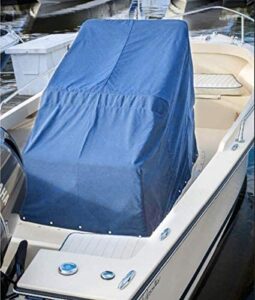
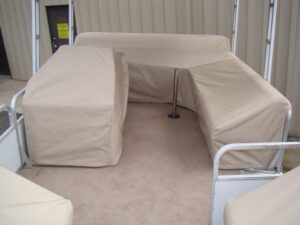
More engine power means more fuel consumption. If you’re cruising at 10 mph, the difference is negligible. But if you’re pinning the throttle to get across the lake, the tritoon will definitely hit your wallet harder at the pump. Additionally, you’ll want to invest in high-quality covers and potentially lifts to protect your investment.
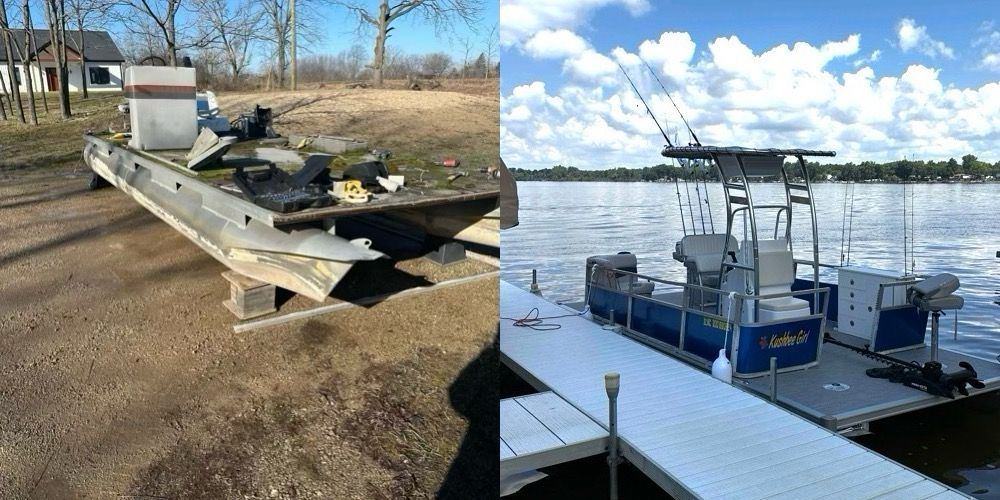
Even an older pontoon can be a great family vessel with the right restoration, but the hull choice (2 vs 3 logs) is something you can't easily change later!
Towing and Storage Logistics
Before you pull the trigger, consider your vehicle.
- Weight: Tritoons are significantly heavier. You’ll need a beefier trailer (usually with brakes) and a tow vehicle capable of handling the extra load.
- Storage: Because of the third log, tritoons sit higher on the trailer. Make sure your garage door or storage shed has the clearance to accommodate the extra height.
If you have a smaller SUV, you might be limited to mini or small pontoons, which are almost exclusively twin-log designs.
We Address Your Frequently Asked Questions
Is a tritoon harder to dock?
Actually, it’s often easier! Because tritoons have more "grip" on the water and more engine power, they are less likely to be blown around by a crosswind while you’re trying to slide into a slip.
Can I add a third log to my current pontoon?
Yes, there are "third log kits" available, but we generally recommend buying a factory-built tritoon. Factory tritoons are engineered with specific bracing and fuel tank placements that a DIY kit might not account for.
Which is better for fishing?
For serious anglers, a twin-log pontoon is often preferred because it has a shallower draft. This allows you to get into skinnier water where the big bass hide. However, if you fish in open, rough water, the tritoon’s stability wins out. Check out our fishing pontoon category for more specifics.

Final Verdict: Which is Better for Your Family?
So, which one should you choose? We’ve broken it down into a simple "Cheat Sheet" for you:
Choose a Pontoon (2 Logs) if:
- You boat on small, calm lakes.
- Your primary activity is slow-speed cruising or fishing.
- You are working with a tighter budget.
- You have a mid-sized SUV for towing.
Choose a Tritoon (3 Logs) if:
- You boat on large lakes with frequent chop.
- You want to pull tubes, skiers, or boards.
- You regularly have 10+ people on board.
- You want the highest level of safety and stability for your kids.
No matter which path you take, the goal is the same: making memories with your family on the water. Both styles of pontoon boats offer a level of comfort and social space that you just can't find in a traditional runabout.
If you’re still on the fence, we recommend visiting a local dealer and asking for a sea trial in both configurations. Feel the difference for yourself! And once you’ve made your choice, don't forget to check out our guides on accessories and enclosures to keep your family comfortable in all kinds of weather.
We have you covered here at Pontoonboats-org. Happy boating!