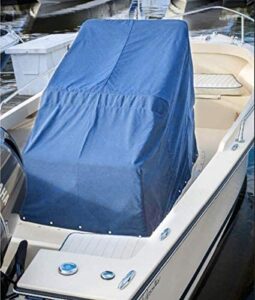
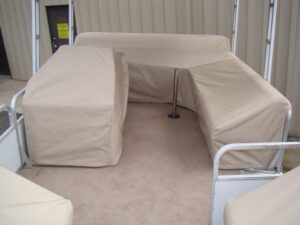
There is nothing quite like the feeling of pulling away from the dock on a warm July morning. The water is glassy, the cooler is packed, and the only thing on your schedule is finding a quiet cove to drop anchor. For many of us, the dream of owning one of the best pontoon boats is a goal we’re working toward, but that doesn’t mean you have to stay on the shore this summer.
Renting a pontoon boat is the perfect way to enjoy the lifestyle without the immediate commitment of maintenance, storage, or insurance. Whether you are planning a family reunion, a bachelor party, or just a relaxing day of fishing, we’ve put together this comprehensive guide to ensure your rental experience is seamless and stress-free. At Pontoonboats-org, we live and breathe the boating life, and we want to make sure you have everything you need to succeed.
Why Rent Instead of Buy?
If you are new to the world of pontoon boats, jumping straight into ownership can be overwhelming. You have to consider things like lifts, trailers, and seasonal storage.
Renting offers a "try before you buy" opportunity. You get to experience different layouts and engine sizes to see what fits your lifestyle. Are you a fan of the fast pontoon boats that can pull a tube, or do you prefer the slow-and-steady pace of a fishing-specific model? Renting lets you figure that out while someone else handles the cleaning and the winterization.
Choosing the Right Boat for Your Crew
Not all pontoons are created equal. Before you call up the local marina, you need to have a clear idea of what your day on the water looks like. We address all these questions by breaking them down into categories:
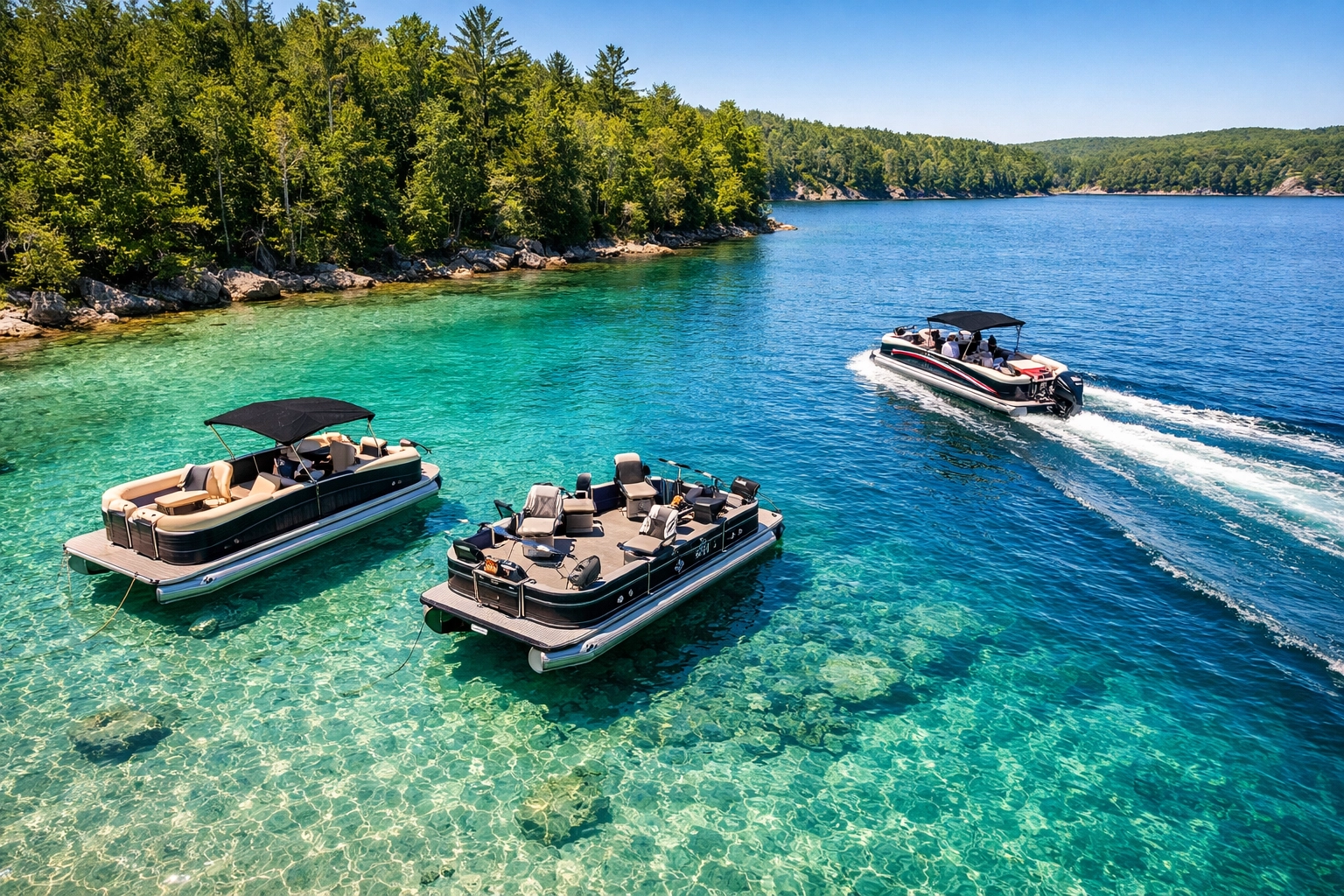
- The Party Boat: If your goal is to fit 10 or 12 people with plenty of room for music and snacks, you’ll want a party pontoon. These usually feature wraparound seating and high-end sound systems.
- The Fishing Rig: For those looking to land a trophy bass, look for rentals that include livewells, rod holders, and swivel chairs. We often see these in small or mini pontoon configurations that are easier to maneuver in tight spots.
- The Performance Pontoon: If you have kids who want to go tubing, a standard 50-horsepower engine won't cut it. You’ll want to ask for a "tri-toon" or a high-horsepower rental that can handle the drag.
Understanding the Costs: What Should You Expect to Pay?
Rental pricing can feel a bit like the Wild West if you don’t know the industry standards. Generally, your location and the day of the week will be the biggest factors in what you pay.
- Hourly Rates: Most standard rentals range from $75 to $175 per hour. If you are looking at a premium model with a massive engine or luxury furniture, expect to pay closer to $250 per hour.
- Half-Day vs. Full-Day: A four-hour rental (half-day) usually costs between $250 and $600. A full eight-hour day can range from $400 to over $1,200 in high-demand areas like Florida or the Hamptons.
- The Midweek Secret: We always recommend booking Tuesday through Thursday if your schedule allows. You can often save 20–30% compared to Saturday rates, and the lake will be much quieter.
Don’t forget the "hidden" costs. Most companies will require a security deposit (usually $200–$500) and may charge you for the fuel you use at the end of the day.
Essential Gear: What’s Included?
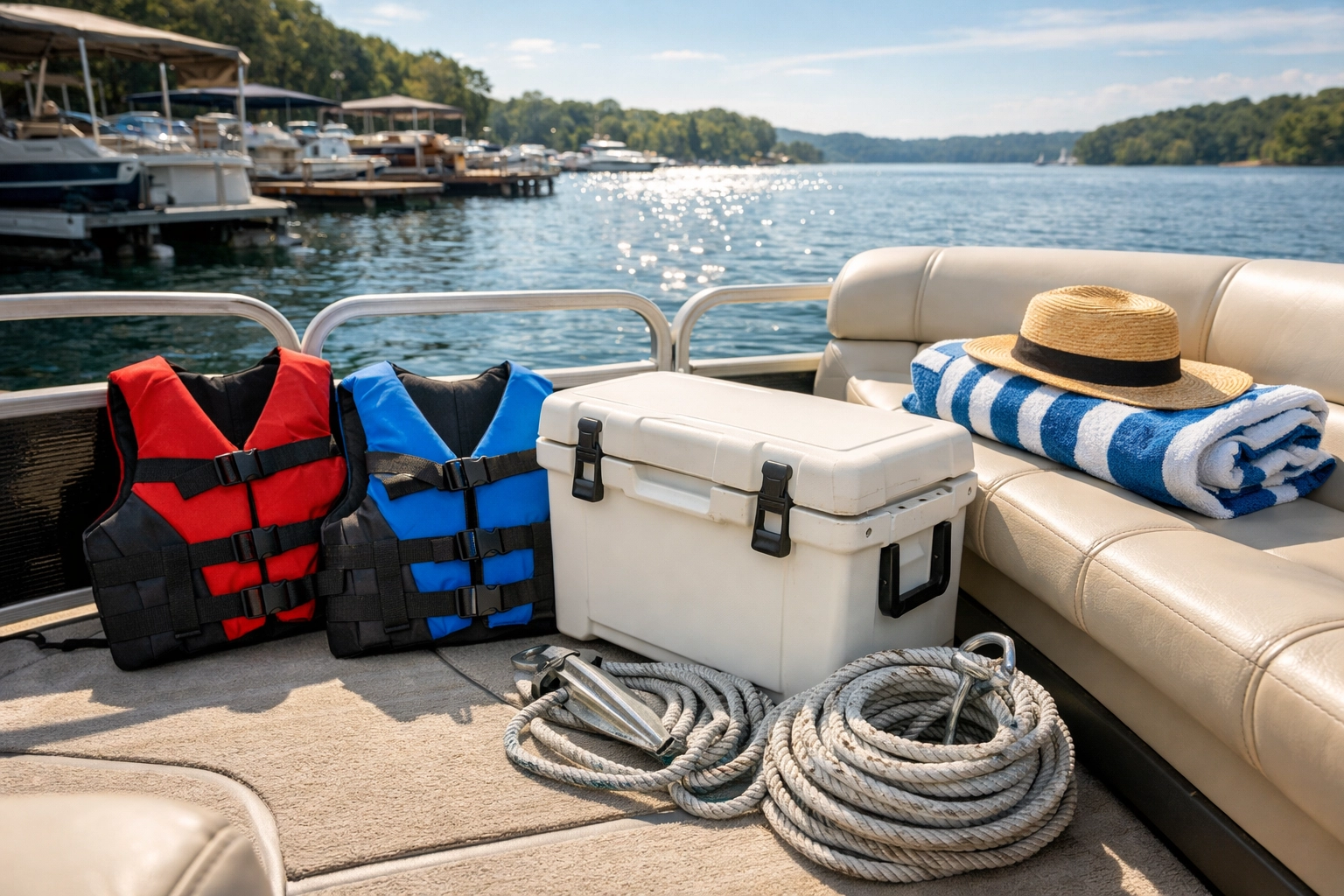
One of the best parts about renting is that the heavy lifting is usually done for you. Most reputable rental agencies provide the legally required safety equipment. This typically includes:
- Life jackets for every passenger.
- A throwable flotation device and a fire extinguisher.
- An anchor and dock lines.
- A basic map of the lake or river.
However, if you want to take your day to the next level, you might want to bring your own pontoon boat accessories. Think about things like high-quality coolers, waterproof Bluetooth speakers (if the boat's system is older), and plenty of sun protection. If the boat doesn't have a Bimini top, you are going to want a lot of hats and sunscreen!
Preparing for Your Trip: A Step-by-Step Checklist
We want you to spend your time on the water, not filling out paperwork at the dock. Follow this sequence to make your departure as smooth as possible:
- Check the License Requirements: Depending on your state and your age, you may need a boater’s safety certificate. Many rental companies offer a temporary "renter's permit" exam online before you arrive.
- Verify the Capacity: If the boat says it holds 10 people, that includes children. Overloading a pontoon is a major safety risk and a quick way to get ticketed by the water patrol.
- Review the Cancellation Policy: Summer weather is unpredictable. Ensure you know how many days in advance you need to cancel to get a refund if a thunderstorm rolls in.
- The "Pre-Flight" Inspection: Before you leave the dock, take photos of the boat’s exterior (the tubes) and the interior. This protects you from being blamed for pre-existing scratches or tears in the vinyl.
Operating Your Rental Like a Pro
If you’ve never driven a boat before, don't worry: we’ve got you covered. Pontoon boats are known for being stable and user-friendly, but they do handle differently than a car.
The Pivot Point: Pontoons don't "steer" from the front; they pivot from the back. When you turn the wheel, the back of the boat swings out. Keep this in mind when you are pulling away from the dock so you don't swing your engine into the wood.
Wind is Your Enemy: Because of their high profile and flat sides, pontoon boats act like a giant sail. Even a light breeze can push you off course during docking. Always approach the dock slowly and against the wind if possible.
Anchoring Correcty: When you find that perfect swimming hole, don't just drop the anchor and shut off the engine. Lower the anchor slowly, let the boat drift back to set the hook in the mud or sand, and then give it a little tug to make sure you aren't moving.
Safety and Etiquette: Being a Good "Lake Neighbor"
The boating community is a friendly one, and we want to keep it that way. Following basic etiquette ensures everyone stays safe.
- No-Wake Zones: These are areas near docks or narrow channels where you must travel at the slowest possible speed. Creating a wake in these areas can damage other boats or even cause someone to fall on a docked vessel.
- The "Designated Driver": Boating under the influence (BUI) is just as serious as a DUI. Laws on the water are strictly enforced. Make sure whoever is behind the wheel stays sober and alert.
- Respect the Wildlife: If you are in an area with loons, manatees, or nesting birds, keep your distance.
Bareboat vs. Captained Rentals
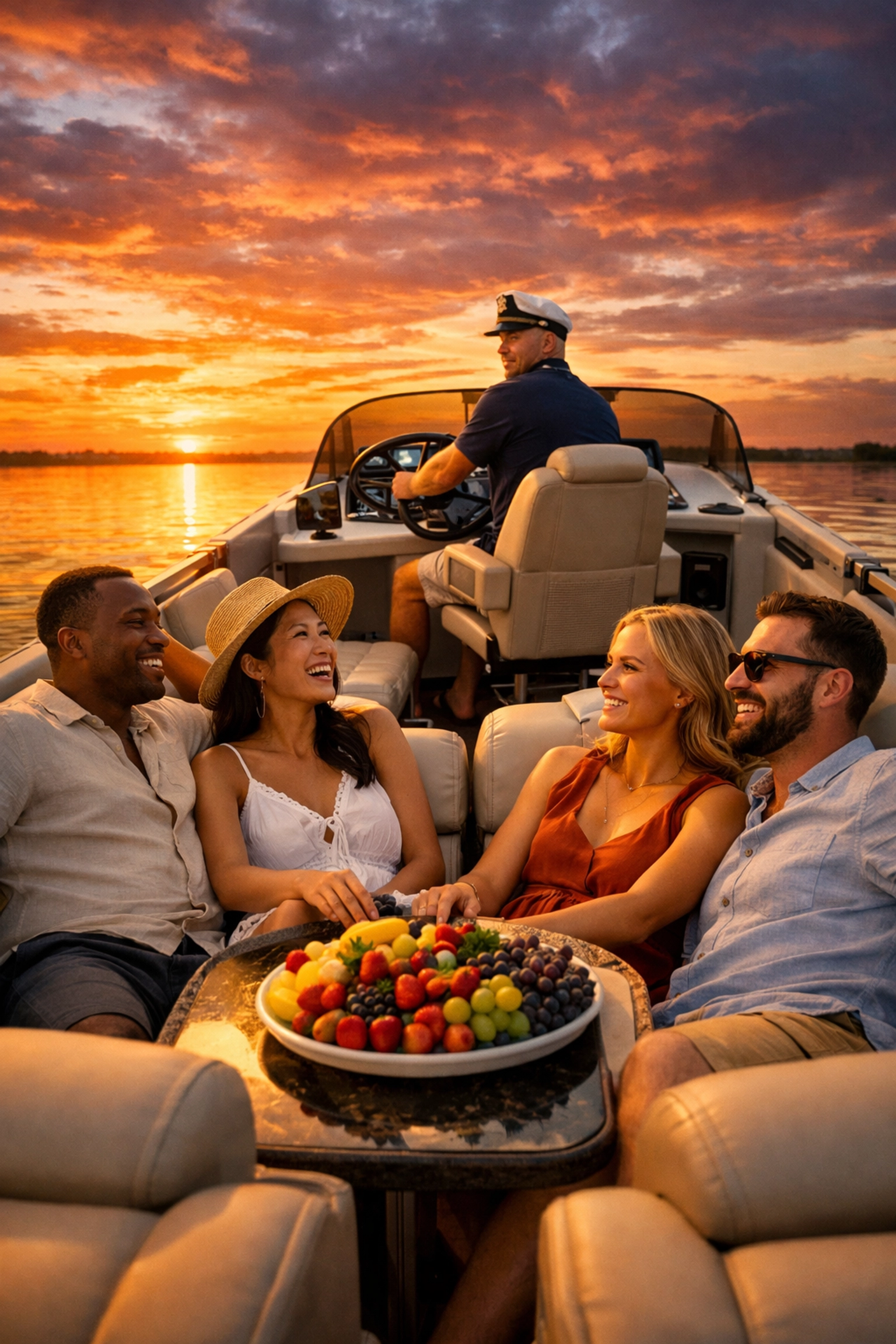
If the idea of docking a 24-foot boat in a crosswind gives you anxiety, consider a captained rental. While this can add $100 to $300 to your daily cost, it removes all the stress. A captain knows the best spots on the lake, handles all the safety briefings, and allows everyone in your group to relax and enjoy a few drinks without worry.
If you are a "bareboat" (self-drive) renter, you have more freedom, but you also have more responsibility. We recommend beginners start with a smaller, standard pontoon before trying to handle a massive twin-engine performance model.
Final Thoughts for a Successful Summer
Renting a pontoon boat is the gateway to some of the best memories you’ll make all year. By doing a little research into the different types of boats and being prepared with the right accessories, you are setting yourself up for a win.
Whether you're looking at a Sun Tracker for a family day or an Apex Marine model for a bit more flair, the most important thing is to get out there and enjoy the water. We have plenty of resources here at Pontoonboats-org to help you transition from a renter to a seasoned owner when the time is right.
For now, grab your hat, check your fuel levels, and we'll see you on the lake! If you have more questions about specific gear or boat types, feel free to explore our other guides on covers or enclosures to see how pros keep their boats in top shape. Safe boating!