Owning a pontoon boat is about as close as you can get to having a floating living room. Whether you’re hosting a sunset cruise, taking the kids out for a tube ride, or finding that perfect fishing hole, your pontoon is the heart of your summer memories. But here’s the thing: because they are so sturdy and reliable, it’s easy to slip into a "set it and forget it" mindset.
At Pontoonboats-org, we’ve seen it all. We’ve helped thousands of owners navigate the journey from buying their first boat to keeping a "seasoned veteran" vessel running like new. We’ve noticed that even the most well-meaning owners fall into a few common traps that can lead to expensive repairs or a shorter lifespan for their pride and joy.
Are you making these maintenance blunders? Don't worry: we address all these questions and show you exactly how to fix them so you can spend more time on the water and less time in the shop.
1. Letting Marine Growth Take Over Your Tubes
One of the most common mistakes we see is ignoring the aluminum pontoons (often called "logs") because they’re mostly underwater. If you leave your boat in a slip all season, algae, barnacles, and scum aren't just an eyesore: they’re performance killers.
Why it’s a problem:
Heavy growth increases drag, which forces your engine to work harder. This burns more fuel and lowers your top speed. Over time, certain types of marine growth can even contribute to pitting and corrosion on the aluminum.
How we fix it like a pro:
- The Mid-Season Wipe: If your boat stays in the water, use a long-handled soft brush to give the tubes a quick scrub every few weeks.
- The Power Wash: When you pull the boat out, hit the tubes with a pressure washer while they are still wet. Once the "gunk" dries, it becomes much harder to remove.
- Aluminum Brightener: Once or twice a year, use a specialized aluminum cleaner to remove oxidation and restore that factory shine. We recommend checking out our guide on pontoon boat accessories to find the best cleaning tools for the job.
2. Skipping the Engine Flush (Even in Freshwater)
Many owners believe that if they aren't in saltwater, they don't need to flush their engines. While saltwater is much more corrosive, freshwater isn't exactly pure bottled water. It contains silt, sand, and microorganisms that can clog your cooling system.
Why it’s a problem:
Sediment can build up in the narrow passages of your engine's cooling block, leading to hotspots and potential overheating. If you are in saltwater, skipping this step even once can start the clock on internal corrosion.
How we fix it like a pro:
- The "Muffs" Method: Attach a pair of motor flusher "muffs" to your garden hose and slide them over the engine’s water intake.
- Run It Clear: Let the engine run for 5–10 minutes until the water coming out of the "tell-tale" (the little stream at the back) is clear and cool.
- Routine Checks: We have you covered with our maintenance schedules: always check your engine oil and coolant levels before every weekend outing.

3. Using Harsh Household Cleaners on Your Vinyl
It’s tempting to grab the bleach-based kitchen spray or a heavy-duty degreaser when your seats get a little dirty. After all, if it works on a countertop, it should work on a boat, right? Wrong.
Why it’s a problem:
Marine-grade vinyl is treated with UV inhibitors and specialized coatings to stay soft and flexible. Harsh chemicals: especially bleach: strip these oils away. This leads to the "cracked and brittle" look that ruins the resale value of even the best pontoon boats.
How we fix it like a pro:
- Mild Soap Only: Use a dedicated marine vinyl cleaner or a simple mixture of mild dish soap and warm water.
- The UV Shield: After cleaning, apply a UV protectant specifically designed for boat upholstery. Think of it as sunscreen for your seats.
- Air It Out: After a long day or a cleaning session, let the seats dry completely before putting the cover back on. Trapped moisture is the #1 cause of mold and mildew.
4. The "Deep Discharge" Battery Trap
Pontoon boats are famous for their high-end electronics: GPS, depth finders, and massive sound systems. A common mistake is running these accessories for hours while anchored at a sandbar without ever running the engine.
Why it’s a problem:
Marine batteries are tough, but frequently draining them to near-zero significantly shortens their lifespan. If a battery sits empty for too long, it can develop "sulfation," which means it will never hold a full charge again.
How we fix it like a pro:
- The 20-Minute Rule: If you’ve been blasting the radio for a few hours, start the engine and let it run for 20 minutes to give the battery a boost.
- Install a Battery Switch: We highly recommend a master battery switch. It ensures that when you leave the boat, no "phantom draws" (like a clock or a stereo memory) drain your power while you’re gone.
- Off-Season Tending: During the winter, keep your battery on a "trickle charger" or a battery tender in a cool, dry place. Never leave a battery on a cold concrete floor!
5. Neglecting Your Trailer Bearings
Because the boat gets all the glory, the trailer is often the most neglected piece of equipment. The biggest mistake? Forgetting that the wheels go underwater every time you launch.
Why it’s a problem:
When hot trailer bearings hit cold water, they can "suck in" moisture. If that water stays in the hub, it causes rust. Eventually, the bearing will fail, often while you’re cruising down the highway at 60 mph.
How we fix it like a pro:
- Bearing Protectors: Ensure your trailer is equipped with spring-loaded bearing protectors (like Bearing Buddies). These keep the grease under slight pressure so water can’t get in.
- The Annual Regrease: At least once a year, repack your bearings with high-quality marine grease.
- The "Touch Test": When you stop for gas on a road trip, safely touch your trailer hubs. If one is significantly hotter than the others, you have a bearing issue that needs immediate attention.

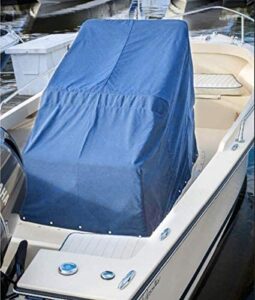
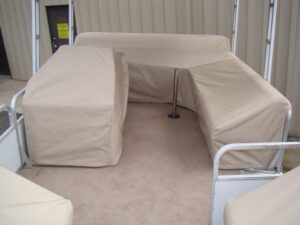
6. Using the Wrong Cover (or No Cover at All)
We get it: putting the cover on at the end of a long day can be a chore. But leaving your boat exposed to the elements is the fastest way to turn a new boat into an old one.
Why it’s a problem:
UV rays are the enemy of everything on your boat, from the carpet to the dashboard. Furthermore, an improperly fitted cover can collect pools of rainwater, the weight of which can actually bend the aluminum railings of your pontoon.
How we fix it like a pro:
- Invest in Quality: A custom-fit mooring cover is worth every penny. You can explore our top recommendations in our pontoon boat covers section.
- Support Poles are Mandatory: Use adjustable support poles to create a "tent" effect. This ensures that rain and debris slide right off rather than pooling in the center.
- Snap Maintenance: Rub a little bit of clear candle wax or specialized snap lubricant on your cover snaps once a year. It makes them much easier to use and prevents them from corroding shut.
7. The "Last Minute" Winterization
Waiting until the first frost is predicted to think about winterization is a high-stakes gamble. If water freezes inside your engine block or your speedometer pick-up, it will expand and crack the plastic or metal.
Why it’s a problem:
Freeze damage is almost never covered by insurance, and a cracked engine block usually means you need a total replacement.
How we fix it like a pro:
- Fuel Stabilizer First: Add fuel stabilizer to your tank during your last trip of the year. This ensures the treated fuel makes it all the way through the fuel lines and into the engine.
- Fog the Engine: Use an aerosol "fogging oil" to coat the internal components of the engine, preventing rust during the damp winter months.
- Shrink Wrap for the Win: If you store your boat outdoors, professional shrink-wrapping is the "gold standard." it provides a drum-tight seal that stands up to heavy snow and keeps critters from making a nest in your cushions.

We’ve Got You Covered
Maintenance doesn't have to be a headache. By avoiding these seven common mistakes, you’re not just protecting your investment: you’re ensuring that when the first warm Saturday of next spring arrives, your boat is ready to go the moment you turn the key.
Whether you are looking for the latest pontoon boat accessories to make cleaning easier or you're still in the phase of trying to find your dream boat, we are here to help.
Do you have a specific maintenance question we didn't cover here? Reach out to us or dive into our deeper guides on winterization and storage. We want to see you out on the lake, not stuck on the dock!